The $54 Billion Pre -Professional Athlete Window. NIL?


By Swaroop Banerjee | The Chaos Drop | May 2026.
My son plays in the U10s Junior Development League in Sydney, Australia. A pathway to Professional Football. Yes, I am that Soccer Dad. So what is NIL? Name, Image and Likeness. A transformative policy allowing college athletes to receive compensation from third parties for endorsements, sponsorships, social media, and personal appearances without losing their eligibility.
The pre-professional athlete is the last underpriced window in global sport. And my bet is it won’t stay underpriced past 2027.
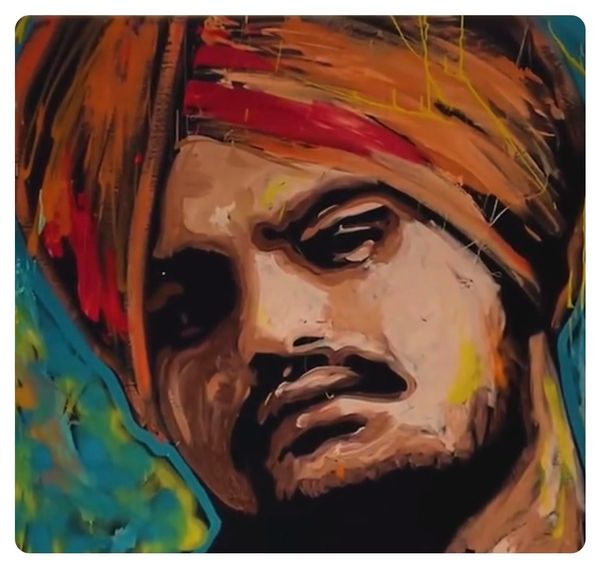
Arch Manning has never played a professional game. He is a college quarterback. He is 22 years old. His NIL income for the 2025 to 2026 season is estimated at $7 million. Red Bull. EA Sports. Uber. Warby Parker. Vuori. The market is doing something incredible. It is pricing an asset before the asset is officially for sale.
$3.65 Billion Into the Pipeline. In 18 Months.
In April 2026, TPG which is $303 billion in assets under management, signed a definitive agreement to acquire Learfield for approximately $2 billion. Learfield is not a sports team. It is the monetisation engine for collegiate athletics in the United States, linking more than 12,000 brands with over 1,200 institutions across the ACC, Big Ten, Big 12, and SEC.
It holds a proprietary dataset of 125 million fan records. It owns ticketing infrastructure, licensing management, NIL strategy, and AI-enabled data platforms. TPG Sports, the vehicle doing this deal, was anchored by Lunate, an Abu Dhabi based alternative investment manager with $110 billion under management. Legend Golfer Rory McIlroy is a co-founder. The fund's first close brought in $750 million in third party capital before this deal was announced.
In January 2026, GTCR bought LiveBarn for $400 million. LiveBarn streams live youth and amateur sports across 1,900 facilities in 49 US states and 10 Canadian provinces. This is simply broadcast infrastructure for 14-year-olds. But they saw a $400 million asset in it.
In March 2025, BPEA EQT acquired IMG Academy from Endeavor for $1.25 billion. IMG Academy supports over 100,000 student athletes annually and placed 30,000 students onto college sports rosters in a single year. EQT folded it into Nord Anglia Education, a global private schools network spanning 33 countries.
Dick's Sporting Goods led a $120 million growth equity round into Unrivaled Sports, which owns Ripken Baseball and Cooperstown All Star Village valuing the business at over $650 million. Imagine a retailer made a $120 million bet that owning the tournament infrastructure for youth baseball is a better capital allocation than opening another store!
That is $3.65 billion deployed into pre-professional sport infrastructure in 18 months. I find it fascinating what this could do to the future of youth sports.
What They Are Actually Buying?
None of these deals are what they appear to be on the surface. Let’s break it down.
TPG is not buying college sports. It is buying 125 million fan records and the exclusive commercial relationship between 12,000 brands and 1,200 institutions. That dataset is the asset. The NIL strategy layer sitting on top of it is the monetisation surface. The ticketing and merchandise infrastructure is the cash flow. Learfield is a data and media platform that happens to operate inside college athletics.
GTCR is not buying youth hockey streams. It is buying the only scaled live broadcast infrastructure for the pre-professional sports market. 1,900 facilities. 49 states. A subscription product that families pay $14.99 per game or $26 to $50 per month to access. The viewing audience is parents, grandparents, siblings, and coaches.
EQT is not buying a boarding school. It is buying the most recognised recruiting pipeline in the world and merging it with an academic network in 33 countries. The student athlete as a global premium product. IMG Academy processed 30,000 college roster placements in a year. That is sourcing, assessment, and placement at scale. Private equity just knows what that infrastructure is worth in any other industry.
The pattern across all four deals is identical. The athletes are the content. The data, media rights, and commercial relationships around the athletes are the asset being priced.
AJ Dybantsa Is Still in High School.
AJ Dybantsa is the number one ranked high school basketball recruit in the United States. He is committed to BYU. He has not played a college game. His reported brand deal value is approximately $7 million, with Nike and Red Bull among his confirmed partners. He is 18.
The NIL market, which did not exist before 2021, is projected to exceed $2.5 billion in 2026. Over 60% of NCAA athletes now report receiving at least one commercial offer. Fortune 500 companies have dedicated NIL budget lines. EA Sports paid $1,500 each to more than 14,000 college football players for College Football 2026, a record for scale in the category. Marketing NIL deals are projected to grow from $234 million to nearly $1 billion in the 2025 to 2026 cycle alone.
The NIL genius move was make the pre-professional moment visible to capital. Before 2021, the value created during the four years before a professional contract was captured by universities, by shoe brands in back channel arrangements, and by nobody. The athlete got a scholarship. The institution got the commercial upside. NIL simply broke that. Now the athlete can price themselves. And the market can see what the pricing looks like.
It is formed before the draft. Before the contract. Before the agency. During the four years the institution used to own for free.
The Media Layer Is Already Being Built.
56% of US fans aged 14 to 24 engage with sports creator content weekly. 57% watch athlete podcasts or videos on a weekly basis. YouTube generates 40 billion hours of sports content annually. The audience for pre-professional sport is not small and it does not require a linear broadcast deal to access.
Pixellot processed 1.5 million youth games in 2025 using automated AI camera systems. SkillShow films more than 300 events annually for Perfect Game USA, USA Baseball, IMG Academy, and Under Armour's All-American combines, producing athlete video for 250,000 players a year.
The USGA started partnering with YouTube creators like Dude Perfect, Good Good Golf to build audiences around non-professional play. Lexus sponsors those creator integrations. Sports rights owners are learning, slowly, that attention for pre-professional sport has a commercial value they have not yet fully captured. LiveBarn, at $400 million, is the first pure-play financial bet on that thesis.
Creator ad spending in the US is expected to reach $43.9 billion in 2026. The brands spending that money are looking for authenticated, high-engagement audiences. The family unit around a youth athlete is a parent like me, grandparents, teammates, community and is one of the most commercially loyal audiences in consumer marketing. Nike, Gatorade, Dairy MAX, EA Sports, Red Bull, and Chipotle are already spending in this space.
The Capital Signal Is Clear.
The $54 billion youth sports market is growing at 8 to 10% annually. Drake Star reported $52 billion in sports technology deals in the first half of 2025 alone, with private equity and mergers and acquisitions activity doubling YoY in the sector.
I have spent two decades building live economies. I know what a market looks like when it tips from fragmented to consolidated. This one is surely tipping. The deals being done right now are not the end of the story. They are the infrastructure layer. The rights, the data, the media, and the brand relationships are being assembled. What gets built on top of that infrastructure in the next three years will make the current deal values look conservative.
Like I said, the pre-professional athlete is the last unpriced asset in the live economy. The price discovery will be a serious game to watch and learn.
Swaroop Banerjee is a global live entertainment strategist with 20+ years across live, media, and sports IP across seven nations. He is Senior Partner at Hammerhead Global UAE and Founder of The Chaos Drop Australia.
The Chaos Drop publishes strategic analysis of the global live economy for the decision makers who need to be ahead of it. We follow the money.